Rental scams: 9 red flags to spot before signing a lease
Finding a rental property can be exciting, especially when the location is right, the rent fits your budget, and the photos look exactly like your dream home. T…
Finding a rental property can be exciting, especially when the location is right, the rent fits your budget, and the photos look exactly like your dream home.
That excitement can also make it easier to overlook warning signs.
Rental scams often rely on urgency, incomplete information, and the pressure to secure a property before someone else does. A convincing listing or a friendly conversation is not proof that a rental opportunity is legitimate.
Before you transfer money, share sensitive documents, or sign a lease, know what to look for.
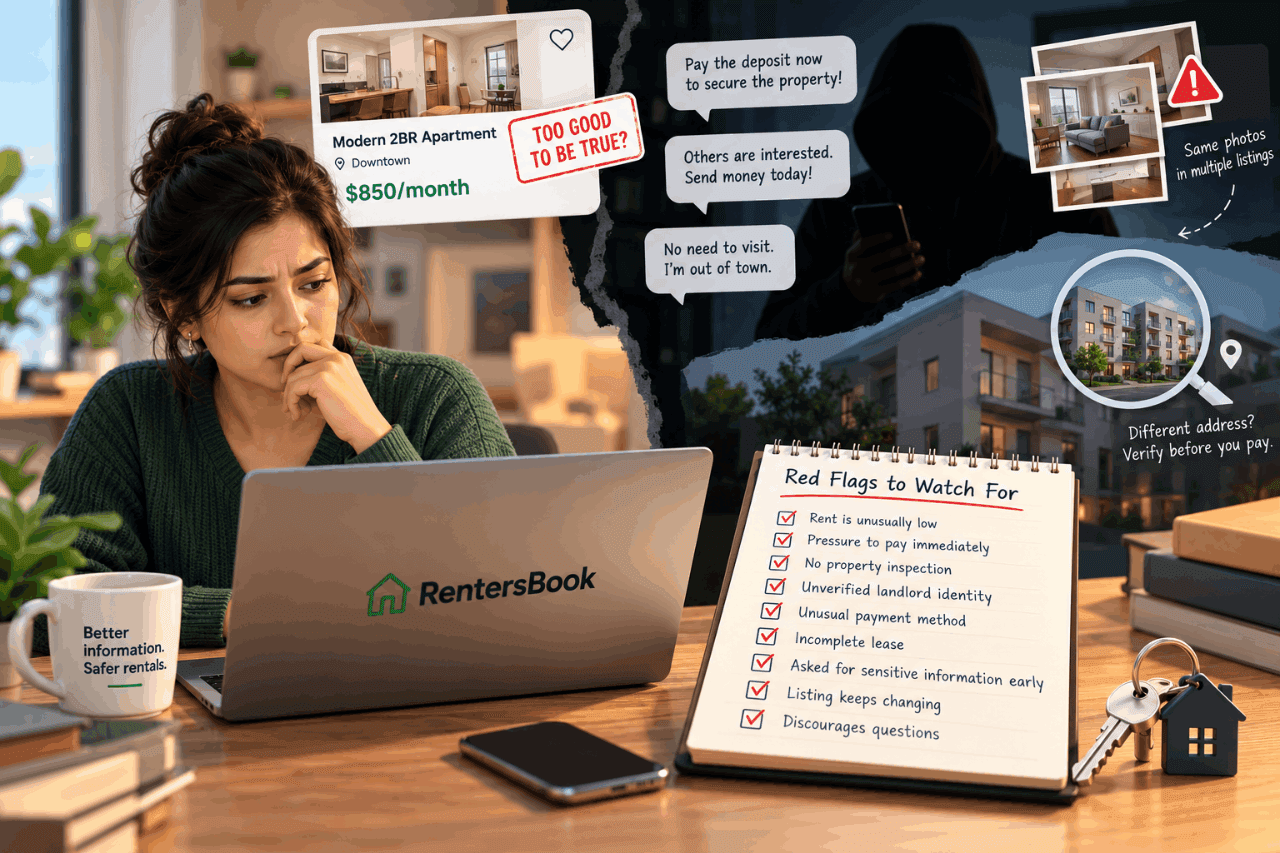
1. The rent seems unusually low
A property advertised well below comparable rentals in the same area deserves closer inspection.
Scammers may use attractive prices to generate interest quickly and persuade prospective tenants to pay a deposit before verifying the property.
Compare similar listings by location, size, condition, and amenities. A low price is not proof of fraud, but it is a reason to ask more questions.
2. You are pressured to pay immediately
Messages such as “Pay today or lose the property” create urgency that discourages careful checks.
A legitimate rental process should allow reasonable time to verify the landlord, understand the lease, and confirm payment arrangements.
Be particularly cautious if someone demands a deposit before you have verified the property and the person's authority to rent it.
3. You cannot inspect the property
A landlord may have a legitimate reason for arranging a virtual viewing, particularly if you are relocating. However, repeated excuses for avoiding any meaningful inspection should raise concerns.
If you cannot visit in person, request a live video walkthrough, verify the address independently, and ask questions about specific features of the property.
Do not rely entirely on photographs, prerecorded videos, or images that could have been copied from another listing.
4. The landlord's identity cannot be verified
A person may claim to be the owner, property manager, or authorized agent without providing enough information to support that claim.
Ask for appropriate identification and verify their authority to rent the property through reliable, independent channels. Depending on the location, this may involve checking ownership records, management-company details, or an agent's registration.
Be cautious if names, addresses, or contact details do not match across the information provided.
5. You are asked to use an unusual payment method
Requests for payment through gift cards, cryptocurrency, or other difficult-to-reverse methods are major warning signs, especially when combined with urgency or an unverified landlord.
Before paying, confirm the recipient, the amount, what the payment covers, and the terms for returning the deposit.
Keep receipts and written records of every transaction. Avoid sending money to an unrelated third party without a clear, independently verified explanation.
6. The lease is missing important details
A lease should clearly identify the parties, property, rental amount, deposit terms, responsibilities, and relevant dates.
Be cautious if you are given an incomplete document, asked to sign blank sections, or told that written terms are unnecessary.
Read the agreement carefully before signing. If something differs from what was promised in the listing or conversation, request clarification in writing.
7. You are asked for sensitive information too early
Rental applications may legitimately require personal and financial information. The concern is being asked to provide extensive sensitive data before you have established that the property and the person collecting it are genuine.
Verify the recipient, understand why each document is needed, and use a secure submission method where available.
Do not share passwords, one-time passcodes, or banking authentication details as part of a rental application.
8. The listing keeps changing
Inconsistent descriptions, different landlord names, conflicting addresses, or photographs that appear across unrelated listings can indicate that something is wrong.
Search distinctive phrases from the listing and compare the property's photographs with other advertisements. Contact the property manager through independently verified details if you find inconsistencies.
A duplicated listing is not automatically fraudulent, but it should be explained before you proceed.
9. You are discouraged from asking questions
A trustworthy rental process should accommodate reasonable questions about the property, lease, payment arrangements, and maintenance responsibilities.
If someone becomes hostile when you request documentation, refuses to explain charges, or repeatedly avoids direct questions, take a step back.
You do not need to prove that a person is a scammer before deciding not to proceed.
A simple verification checklist
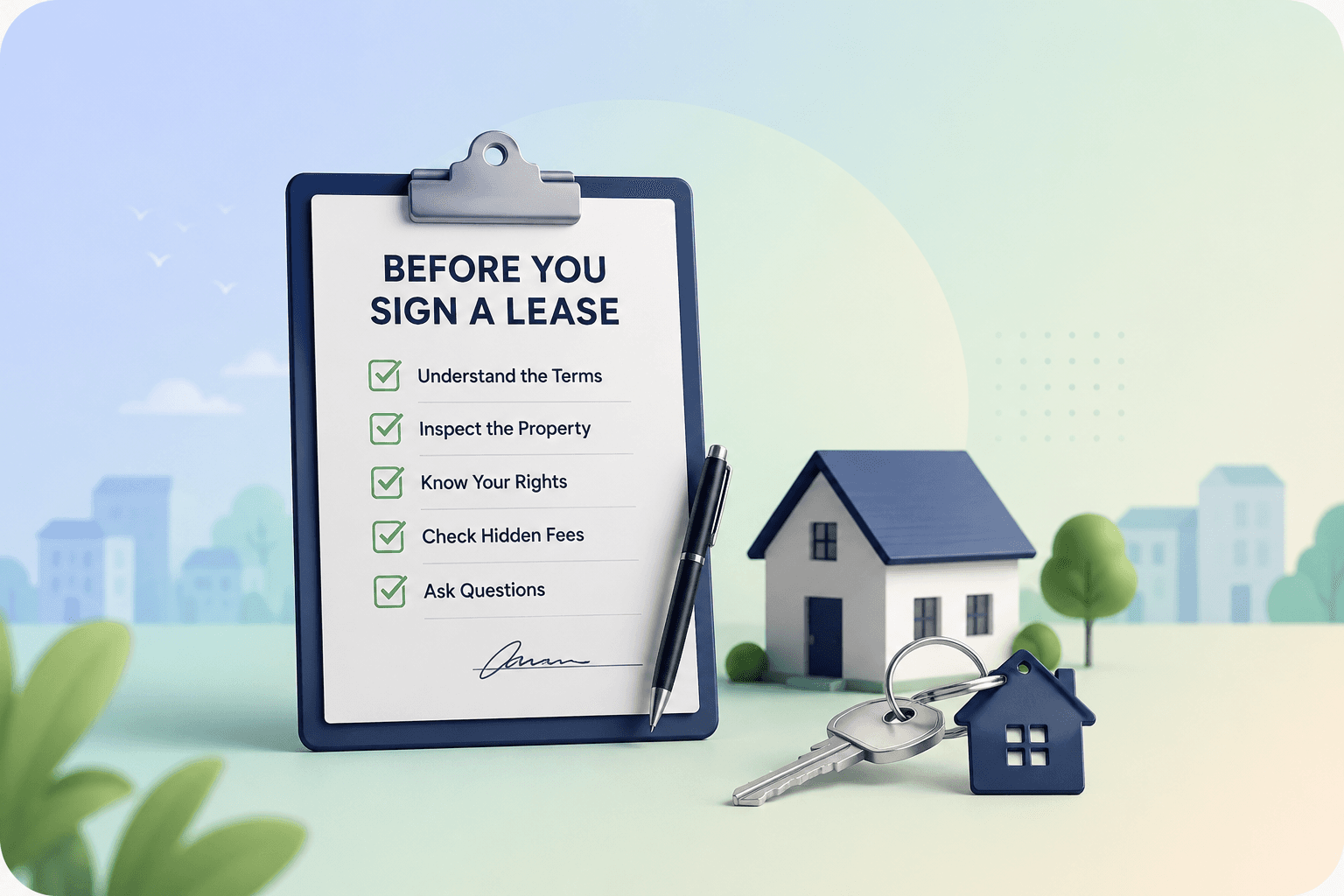
Before committing to a rental, confirm the following:
The property exists and matches the listing.
The landlord or agent's identity and authority have been checked.
The rent, deposit, and additional charges are clearly explained.
The lease has been reviewed and matches the agreed terms.
Payment instructions and the recipient have been independently verified.
Relevant property and landlord reviews have been checked, where available.
Copies of the lease, payment receipts, and communications are saved.
No single check guarantees that a rental is safe. Together, these steps can reduce the risk of making a costly decision under pressure.
Reviews are one part of the picture
A landlord's rental history can help you understand how previous tenancies were handled. Reviews may reveal recurring concerns about communication, maintenance, deposit disputes, or other aspects of the rental experience.
However, reviews alone cannot establish that a listing is genuine or guarantee that a landlord is trustworthy. A new landlord may have no review history, and even a well-reviewed property still requires independent verification.
RentersBook helps tenants explore reviews of landlords and properties separately, giving prospective renters additional context as they evaluate their options.
Use that information alongside property inspections, verified documentation, and careful payment practices.
Protect your money before you commit
The pressure to secure a good rental can make a suspicious offer feel like an opportunity you cannot afford to lose.
Remember that walking away from an unverified deal is better than rushing into a financial commitment you cannot easily reverse.
Take the time to check the property, verify who you are dealing with, understand the lease, and review the available rental history.
The best time to spot a rental scam is before you send the money—not after you start trying to get it back.
Check the record before you sign.
Look up a landlord, a tenant or a property. It is free, and every review describes an actual tenancy.